
SUKI: Pwede Utang? Guide: Getting started
About
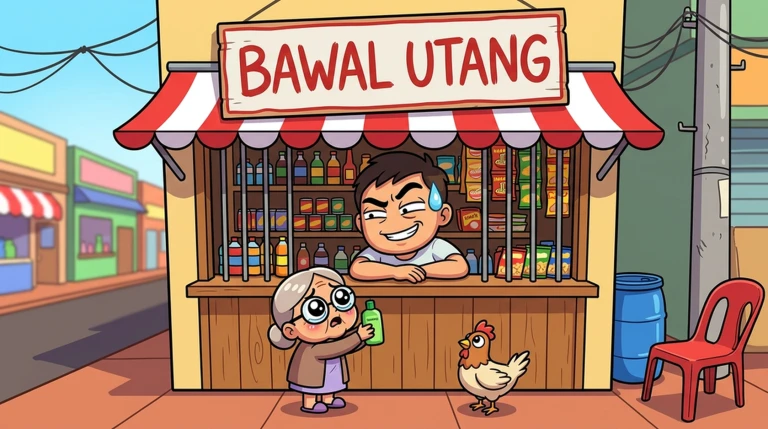
OverviewSUKI: Pwede Utang? puts you in charge of a sari-sari store where neighbors show up all day asking to buy on credit. You decide who to trust, stock your shelves, chase down people who skip out on paying, and upgrade your shop to handle everything the street throws at you.
What is on this page
Contents
Player notes and tips
Found a useful trick? Share it with everyone! Notes with screenshots are welcome!
Write a guide note
SUKI: Pwede Utang?
Getting started
StepThe game gives you a code redemption screen right at the start. After redeeming codes, head to the market to pick your starting stock and get it on the shelf.
- Redeem codes open the code screen and enter the available codes before serving anyone.
- Visit the market choose which goods to carry and bring them back to stock your shelf.
- Set up the shelf arrange your products so the store is ready when the first neighbor walks up.
 PWEDEUTANG
SUKI
GATLING
DILAW
MetaNew Player Survey

The next survey is being prepared.
The YES or NO decision
Tips
When a neighbor asks 'Pwede utang?' you have two choices and no take-backs. Saying YES hands over the goods right away, but the money doesn't arrive until they come back to pay. Saying NO ends the transaction and the neighbor walks away empty-handed.
- YES means goods leave your shelf now and cash arrives only if they return.
- NO closes the sale entirely — you keep the stock but lose that customer's money.
- Not every neighbor who takes credit will come back to pay.
- The neighbors you meet include rare, legendary, and mythic types — successfully dealing with them earns more stars.
Tracking credit in the LISTA
CheckEvery time you say YES to a credit request, that deal needs to go into the LISTA, which is your store's ledger. It records who took goods on credit, how much they owe, and whether they've paid.
- Log every utang record the neighbor's name and the amount the moment you hand over the goods.
- Check repayment status review the LISTA regularly to see who has paid and who hasn't.
- Spot the ones who ran the ledger shows you which neighbors have gone quiet so you know who to chase.
Chasing unpaid debts
WarnSome neighbors take their goods and disappear. When that happens, your tool for going after them is the TSINELAS — you throw it at the runaway to catch up with them.
Upgrading the store
SummaryThe store itself can be improved piece by piece. Each upgrade has a different job, from keeping products fresh to defending against trouble.
- Counter the upgraded counter strengthens your register and sales setup.
- Fridge lets you carry and preserve a wider range of products.
- Bulb improves lighting so you can keep operating when it gets dark.
- Tarpaulin gives your store cover when the rain comes.
- Generator keeps the store running through a brownout.
- TAMBAY a guard stationed at your bench to defend the store.
Events that disrupt business
TipsRunning a sari-sari store isn't just about credit decisions. The street sends problems your way that have nothing to do with individual customers.
- Brownouts cut your power, so a generator upgrade keeps you open during outages.
- Rain affects how you operate outside, which is where a tarpaulin helps.
- Chismosa — neighborhood gossip — can shift how your store is perceived on the street.
Playing with friends
TableWhen you play with others, every player runs their own store, but all the stores sit on the same street. You can see how other players are upgrading and handling their credit decisions while you manage your own.
| Max players | up to six people can play at the same time. |
| Store placement | every store is on the same shared street. |
Glossary
Glossary- Utang
- Credit or a debt — when a neighbor asks 'Pwede utang?' they are asking to take goods now and pay later.
- LISTA
- The ledger where you record every credit transaction, tracking who owes you money and who has paid.
- TSINELAS
- A slipper you throw at neighbors who run away without paying their debt.
- TAMBAY
- A guard you can place at your store bench as a defensive upgrade.
- Brownout
- A power outage event that disrupts store operations unless you have a generator.
- Chismosa
- Neighborhood gossip that can affect your store's reputation on the street.
- Sari-sari store
- A small neighborhood variety shop, the kind of store you run in this game.
Common questions
FAQWhat happens if I say YES to everyone?
Not every neighbor who takes goods on credit will come back to pay. Saying YES to every request means some of them will run without settling their debt, which is a direct loss for your store.
How do I know who still owes me money?
Open your LISTA — it records every credit deal you've made, along with whether each neighbor has paid or not.
What are stars for?
Stars are earned by successfully completing transactions with neighbors, and rarer neighbors — legendary and mythic types — are among those you can meet. Collecting stars raises your store's overall rating on the street.
Game updates can change what is on this page. If you spot something, get in touch and let us know.