
Build or Die Guide: First steps at the start of a round
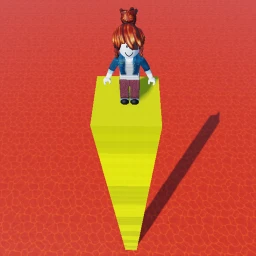
About
OverviewBuild or Die drops a new disaster on you every round — lava, fire, and more — and your only defense is quick building. This guide covers how to survive your first rounds, which building shapes work best against each threat, and how to get more out of playing with others.
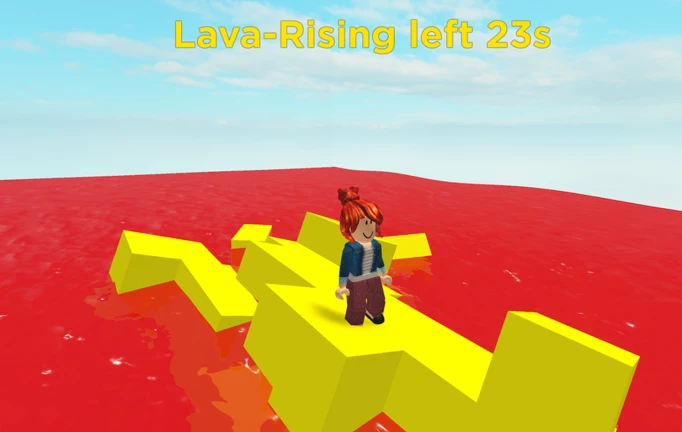
What is on this page
Contents
First steps at the start of a round
Step
Each round begins the moment you join or the previous one ends. Scan the map for high ground and open paths, pick up your block-placement tool, and roughly decide where you want to go.
- Read the map look for raised areas and narrow corridors you can reach quickly.
- Equip your tool select the block-placement tool before anything else so you are not switching mid-panic.
- Pick a destination decide on a rough escape route while the round is still calm.
MetaNew Player Survey

The next survey is being prepared.
Building shapes for each disaster
TableThe disaster type changes every round, so a single building approach will not cover you every time. Lava rises from below, which means height is your priority. Fire spreads outward, which means enclosing yourself matters more.
| Staircase shape | best against lava; lets you climb quickly without stopping to plan. |
| Box shape | best against fire; walls and a ceiling cut off the spread around you. |
| Tower shape | maximum height gain, though it costs the most time to build. |
| T-shape | creates escape routes in more than one direction when you are unsure which way to run. |
Surviving when things go wrong
Check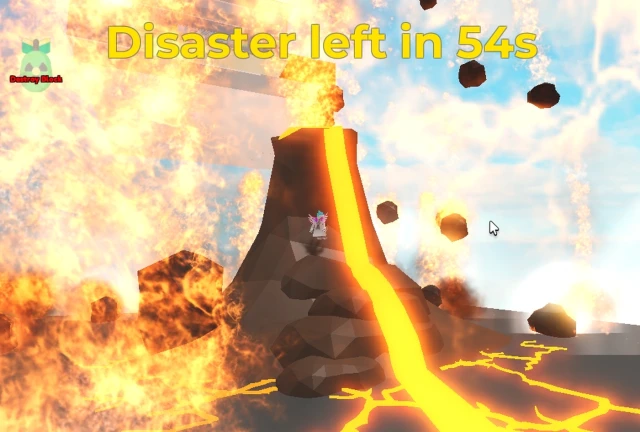
Every round is a fresh disaster, which means every failure is also a fresh chance to learn. When you get eliminated, spend a moment thinking about why before the next round starts.
- Did building take too long? Focus on speed over perfection a rough shelter beats a beautiful one you never finished.
- Were you too far from teammates? Staying close lets you share blocks and build bigger in less time.
- Did you use the wrong building shape? Match the shape to the disaster type as described above.
Playing with a group
TipsBuild or Die is designed for many players at once. When several people build together, the shelter grows faster and higher than any solo effort. Simple communication — even just deciding who builds up and who builds out — makes a noticeable difference to how many rounds the group survives.
- Assign one person to build upward and others to fill in the sides so nobody duplicates work.
- Do not aim for a perfect structure when time is short — a functional one saves more lives.
Spending and progression
SummaryThe game is fully playable without purchases. Any paid options add convenience rather than changing whether you can survive disasters.
- Free play every round is accessible with no payment required.
- Paid options convenience additions that do not block progress.
Community strategy ideas
CommunityThese ideas and tips come from people playing the game. Share your discoveries too!
No strategy ideas yet. Share a tip you discovered.
Share a strategy idea
Build or Die
Glossary
Glossary- Round
- One complete cycle of a disaster event, from the moment the threat appears until players survive it or are eliminated.
- Disaster
- The threat that arrives each round — examples include lava and fire — and changes type from round to round.
- Block
- A cube-shaped unit that players place to construct shelters and escape routes.
- Tool
- The item in your toolbar that lets you place blocks; selecting it before a disaster arrives saves critical seconds.
- Shelter
- Any structure a player or group builds to protect themselves from the current disaster.
- High ground
- Any part of the map or player-built structure that sits above the threat, especially useful against lava.
Common questions
FAQWhat should I do in my very first round?
Spend the opening moments looking at the map for high spots and open paths, then equip your block-placement tool straight away. The early rounds are slower, so treat them as practice.
Does the same disaster come every round?
No — a different disaster arrives each round, so you face a new threat every time.
Is solo play worth it, or do I need a group?
You can play solo, but having teammates speeds up building considerably, which means your shelters reach safer heights faster.
My building never keeps up with the disaster. How do I fix that?
Swap speed for ambition — a rough staircase or box built in seconds beats an elaborate structure you never complete. Make sure your tool is already equipped at the start of the round, and ask nearby teammates to help fill in sections while you build upward.
Game updates can change what is on this page. If you spot something, get in touch and let us know.