

 Upcoming
–
Game guide
Build to Survive Guide: Getting started with the tutorial
Is this game fun?1 votes
Fun 0%0Average 0%0Not fun 100%1
About
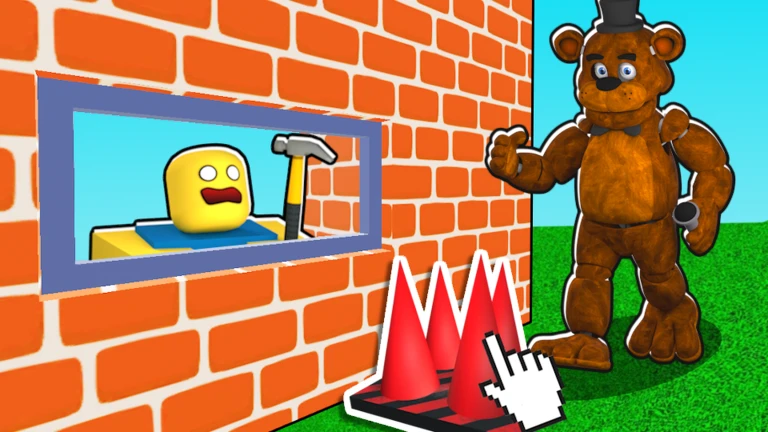
OverviewBuild to Survive is a PvE game where you construct walls, towers, and obstacles to hold off waves of monsters that attack every round. This guide covers how to get started, how to build effectively, and how to handle tougher stages when things stop going your way.
What is on this page
Contents
01
Getting started with the tutorial
Step
02
Managing resources in the early rounds
Check
03
Live and upcoming events
Events
04
Building tactics that slow monsters down
Tips
05
Matching your defense to the monster type
Table
06
Diagnosing a stage you cannot get past
Check
07
Learning from failure
Tips
08
Glossary
Words
09
Common questions
FAQ
01
Getting started with the tutorial
Step
In short
Finishing the tutorial before anything else gives you a solid grip on building, placing objects, and responding to monsters.
When you first load in, a tutorial walks you through the core controls. Take your time with it — every step covers something you will need later. Once it is done, pick an easier stage so you can watch how monsters move and learn when each wave arrives. That timing knowledge pays off for every stage after.
- Complete the tutorial work through every prompt before moving on.
- Start on an easy stage use it to learn monster movement patterns without pressure.
- Watch the wave timing notice when each group arrives so you know how long you have to build.
MetaNew Player Survey
The next survey is being prepared.
02
Managing resources in the early rounds
CheckIn short
Spending resources only where monsters actually travel makes your supply last far longer.
Early rounds give you very little to work with, so every piece of material matters. Monsters drop resources when they are killed, so collecting those drops is how you fund the next round. Instead of trying to clear a stage in one go, think about how many rounds your current setup can realistically hold.
- Predict monster paths find the routes they use and concentrate your building there.
- Build only what you need avoid placing structures where no enemy will ever go.
- Pick up every drop the resources monsters leave behind are your main income.
- Scale up gradually add a little more defense each round rather than spending everything at once.
03 Live and upcoming events
Events
Events running now or coming soon. They have fixed dates, so check them first.
Upcoming
–
 Upcoming
–
Fairy Forest Pack!
04
Building tactics that slow monsters down
Tips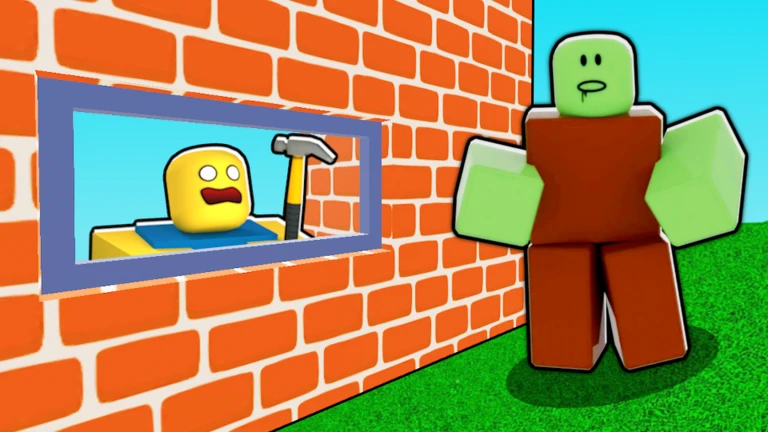
In short
Delaying how long it takes monsters to reach you is the single most effective thing your construction can do.
Delay is the core idea behind every strong build. The longer a monster spends getting to your base, the more time your defenses have to attack it. Height works in your favor because monsters take longer to climb. Spreading several small obstacles across a path stops enemies faster than one tall wall built from the same amount of materials. Mixing breakable structures with tougher ones also forces monsters to deal with multiple layers.
Tips worth knowing
- Design paths in spirals or mazes to stretch the distance monsters must travel.
- Build upward — height forces monsters to spend more time reaching you.
- Place multiple small obstacles along a route instead of one large barrier.
- Mix durable and weaker structures so there are always multiple layers to break through.
- Revisit your layout each round and adjust anything that monsters are getting past too quickly.
- Expand into larger, more complex builds once you have enough resources to afford them.
05
Matching your defense to the monster type
Table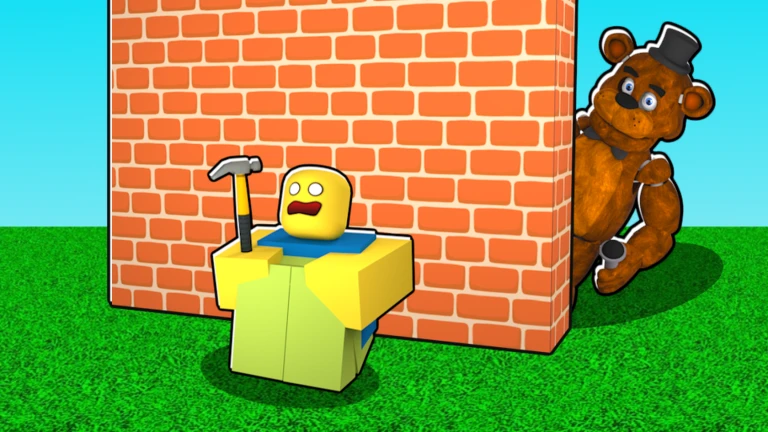
In short
Different monsters need different answers, so mixing defense types becomes essential as stages get harder.
Monsters come in distinct varieties, and a setup that stops one type can be completely useless against another. Slow enemies can be handled with basic barriers, but fast ones will push through before those barriers do anything useful, so you need firepower up front for them. Flying enemies ignore ground-level obstacles entirely, which means standard wall layouts will not protect you. As you reach later stages the range of enemy types grows, so a mixed defense becomes necessary.
| Slow ground enemies | basic obstacles work fine, leaving resources free for other needs. |
| Fast ground enemies | prioritize high-damage defenses that can eliminate them quickly. |
| Flying enemies | ground defenses do not affect them, so build a dedicated counter. |
| Boss enemies | combine multiple defense layers with delay structures to buy enough time. |
06
Diagnosing a stage you cannot get past
Check
In short
When you keep failing the same stage, the problem is almost always one of three things: gaps in your defenses, poor placement, or not using the time between rounds.
Observe a few failed runs without changing anything so you can see exactly where things break down. Then rearrange before you spend more resources.
- Check every entry point confirm there is no gap monsters can walk straight through.
- Review placement make sure your hardest-hitting structures are in positions where they reach enemies early.
- Use the prep time have new construction finished before the next wave starts.
- Track your resource pace know whether you can sustain your current spending for several more rounds.
- Account for special enemy types confirm you have something in place for the stronger monsters that appear later.
07
Learning from failure
Tips
In short
Treating each failed run as information rather than a setback is what separates players who improve quickly from those who stay stuck.
Repeating the same build after a loss rarely produces a different result. The most useful habit is noting exactly which round things fell apart and what the monsters were doing at that moment. Checking how other players approach a stage can also surface ideas you would not have thought of yourself.
Tips worth knowing
- Note the exact round and spot where your defense collapsed each time.
- Screenshot or record runs where something goes wrong so you can study them afterward.
- Look at what other players build to find approaches you have not tried.
Glossary
Glossary- Round
- One full combat phase in which a wave of monsters attacks; clearing it rewards you with resources.
- Wave
- A group of monsters that rushes you during a round — a single round can contain several waves of increasing difficulty.
- Resource
- The materials you spend to place buildings, collected from defeated monsters and points on the map.
- Drop
- Resources or items that fall from a monster when you kill it, used to fund your next round of construction.
- Delay
- The practice of designing your build to slow monsters down so your defenses have more time to destroy them.
- Defense type
- The role a structure plays — barrier, firepower, or durability — with each type suited to different situations.
- Stage
- A distinct map with its own difficulty level; stages grow harder as you advance through the game.
Common questions
FAQWhat do I do when I keep failing the same stage?
Look for gaps in your coverage, reposition your strongest structures, and make sure you are finishing new builds before each wave starts. Review your resource management and check whether your defense accounts for the stronger monster types that appear in that stage.
How do I stop running out of resources mid-stage?
Avoid placing anything that is not directly on a path monsters use, since every misplaced structure is wasted material. Collect every drop from defeated monsters, and before you spend, estimate how many rounds your current reserve can last. Push lower-priority builds to later rounds when you have more income coming in.
Can I finish the game without spending anything?
Yes — the game's own content is accessible without purchases. Efficient resource management and well-planned builds are what actually determine whether you clear a stage, and neither of those requires spending.
How should I handle flying enemies?
Ground-level walls and obstacles do not affect flying monsters, so you need a defense specifically aimed at them rather than relying on your existing layout.
Updated Sep 11, 2026
Game updates can change what is on this page. If you spot something, get in touch and let us know.
Game updates can change what is on this page. If you spot something, get in touch and let us know.