
Steal An Egg Mutations and Size: Income Comparison and Which Pets to Keep
In Steal An Egg, comparing mutations together with size helps you decide which pets to keep. A Rainbow pet is not automatically your best earner, and a large egg does not guarantee an upgrade. Separate each species’ base income, mutation and size, then compare income per second under the same conditions.
Steal An Egg mutations, size and rarity: what is the difference?
| Factor | What it represents | How to compare it |
|---|---|---|
| Mutation | An income modifier associated with colour or effects | Keep species and size equal to isolate the mutation’s effect |
| Size | An income modifier related to an individual pet’s weight | Do not treat kilograms as a direct income multiplier |
| Species and rarity | The pet’s species and classification | Base income differs by species; a rarity label alone is not enough |
Source: Steal An Egg Wiki — Pets [1]
A small mutated pet and a large plain pet can both be worth keeping
The basic relationship is final income = base income × mutation modifier × size modifier. Mutation and size are separate modifiers. Two pets of the same species can earn different amounts because their mutations and sizes differ. After hatching, compare the displayed income per second before discarding a pet based on its mutation name.
For names and acquisition routes, use the mutation list and acquisition guide. For individual multiplier rankings and several mutations on one pet, see mutation multipliers and stacking.
Different species earn different amounts with the same mutation
| Icon | Pet | Listed base income | With equal modifiers |
|---|---|---|---|
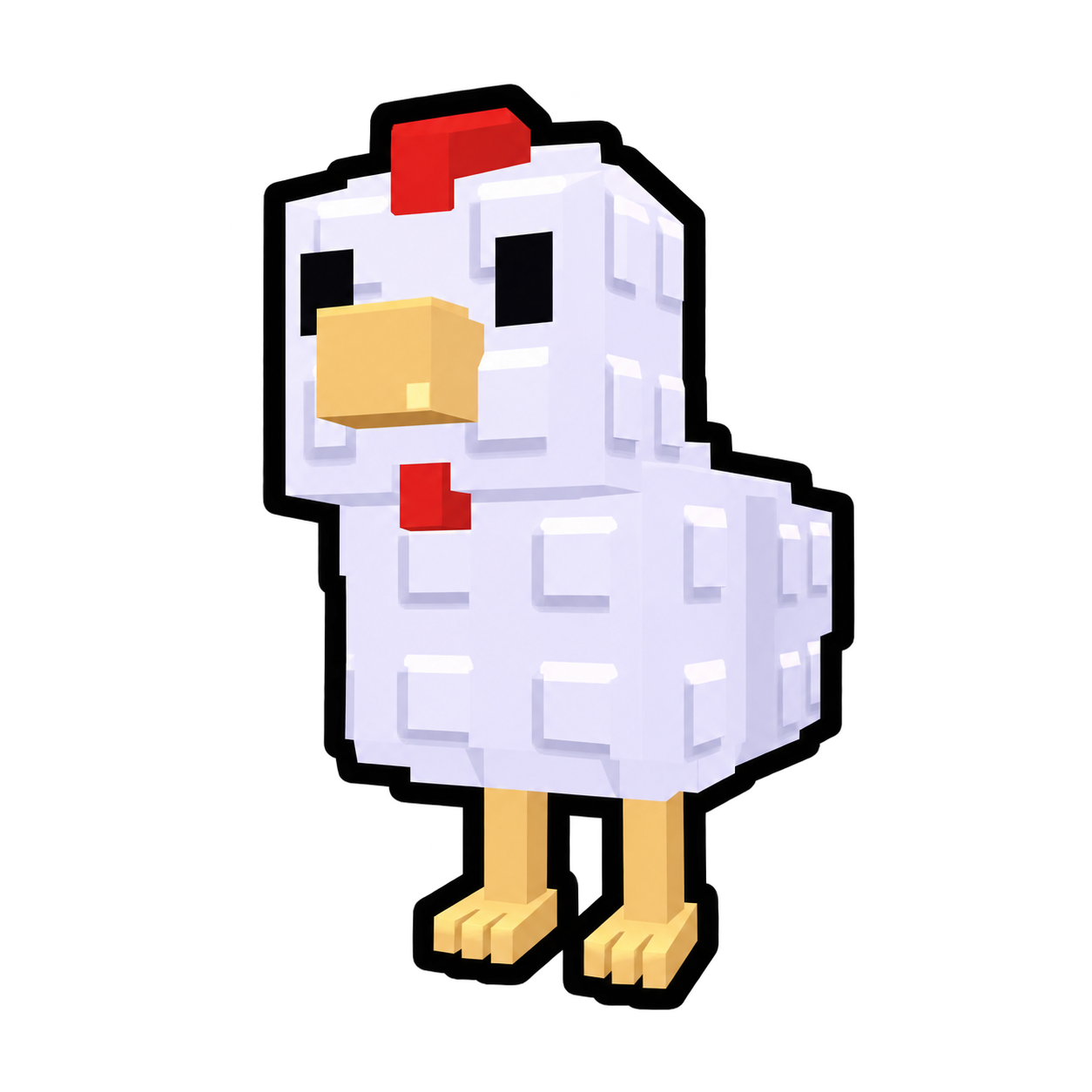 |
Chicken | $1/s | Half the income of Dog with equal size and mutation modifiers |
 |
Dog | $2/s | Twice the income of Chicken with equal size and mutation modifiers |
Source: Steal An Egg Wiki — Chicken / Dog [2]
Check base income before judging appearance
Both pets above are Common, but their listed base incomes differ. The same rarity does not guarantee the same income. A higher mutation multiplier can still lose to another species with a higher starting income.
For a hypothetical size multiplier of 1 on both pets, Chicken with Rainbow at ×3.5 earns $3.5/s, while Dog with Golden at ×2.5 earns $5/s. Dog earns more despite its lower mutation multiplier. This is arithmetic using the listed base values, not a guarantee of your pets’ current displayed income.
Size income does not rise in direct proportion to weight
| Weight divided by base weight | Calculated size multiplier | With base income of 100 |
|---|---|---|
| ×1 | ≈×1.00 | ≈100.00/s |
| ×2 | ≈×1.53 | ≈153.33/s |
| ×10 | ≈×4.14 | ≈413.68/s |
| ×100 | ≈×17.11 | ≈1,711.33/s |
| ×125 | ≈×19.64 | ≈1,963.79/s |
| ×200 | ≈×23.70 | ≈2,369.97/s |
| ×1000 | ≈×45.12 | ≈4,511.60/s |
Source: Steal An Egg Wiki — Mutations [3]
100kg does not mean a ×100 multiplier
The first column is not kilograms. It is how many times a pet weighs relative to its species’ base weight. A display of 100kg does not put it in the ×100 row. Comparing different species by kilograms alone does not rank their income.
The calculation uses the hidden base weight described in the reference. If you cannot establish that value, do not assume a normal-looking pet supplies the exact base. Comparing the in-game income per second is more reliable.
Income keeps increasing above ×125 weight, but more slowly
Moving from ×125 to ×1,000 base weight means eight times the weight, but the calculated income modifier rises only from about ×19.64 to ×45.12. Each additional amount of weight brings a smaller income gain as size increases. The table covers ratios of 1 or higher.
Keep a large plain pet or a small mutated pet?
| Hypothetical candidate | Base income | Mutation multiplier | Size multiplier | Calculated income per second |
|---|---|---|---|---|
| A: large plain pet | 100 | 1 | 4 | 400 |
| B: small Rainbow pet | 100 | 3.5 | 1 | 350 |
| C: larger Golden pet | 100 | 2.5 | 2 | 500 |
Source: Steal An Egg Wiki — Pets [1]
Compare mutation multiplier × size multiplier
The table assumes the same species, base income of 100 and no other modifiers. The size multipliers are illustrative inputs, not assigned kilogram values or named size tiers. Under these assumptions, the order is C at 500, A at 400, then B at 350.
A sufficiently large size modifier can let a plain pet outperform a mutated pet. With the same species and other conditions, a plain pet beats a Rainbow pet at size multiplier 1 when the plain pet’s size multiplier exceeds 3.5.
Do not apply modifiers twice to displayed income
If the displayed income already includes mutation and size, multiplying it by Rainbow’s 3.5 again counts that modifier twice. Start calculations from base income, or compare displayed values under matching conditions. For multiple mutations, use the stacking calculation and checking procedure.
Choose pets by the income gained after replacing one
| Candidate’s situation | Income-focused decision | First check |
|---|---|---|
| Outearns a current income pet | Replacement candidate | Compare income per second with the same boosts |
| Rare, but lower income | Separate collection and income goals | Check the income lost by removing a current pet |
| Base values or modifiers are unknown | Compare displayed income | Avoid guessed kilogram conversions |
How to compare pets when your slots are full
You may also keep hard-to-obtain pets for a collection. See mutation rarity and probability for the distinction between normal hatch rolls and event applications. An income ranking is not a trading-price or rarity ranking.
Protect your earners and materials before adding mutations
| Action | Information needed | Assumption to avoid |
|---|---|---|
| Use a mutation item | Target, success chance and consumption | Buying an item guarantees application |
| Submit materials | Required species, quantities and result information | Consume a high-income pet first |
| Visit a limited-time device | Current availability and reward conditions | Old instructions must still work today |
Separate material candidates from active earners
Specific device and event acquisition routes are covered in the mutation acquisition guide. The Sakura Incubator instructions in the reference checked on 25 October 2026 were marked inactive, so we do not present its old unlocking steps as immediately usable today.
Steal An Egg mutations and size: frequently asked questions (FAQ)
Does twice the size mean twice the income?
Weight ratio and income multiplier are different. In the reference formula, twice the base weight gives a size income modifier of about ×1.53. Do not substitute 2kg or twice the visible width for that weight ratio.
Is it worth keeping a pet without a mutation?
For income, compare whether its income per second beats a current earner under the same conditions. A plain pet can still earn more because of its species’ base income or size. Its mutation name alone is not a reason to discard it.
Is a larger pet always rarer?
High income and low acquisition probability are different. Without verified current size probabilities, weight alone cannot establish rarity or trading prices.
What if the calculation differs from the game display?
Check whether you mixed up base income and final displayed income, used the correct species’ base weight, and matched boosts and other conditions. Do not add guessed modifiers. Compare replacement candidates using displayed values in the same environment.
Summary: separate mutation and size, then compare income per second

In Steal An Egg, compare base income, mutation and size together. Extra weight does not produce a proportional income increase, and a rare-looking mutation does not guarantee an upgrade. Compare income per second under matching conditions, then choose by the gain from replacing a pet.
References and image sources
Steal An Egg Wiki
- Pets — income components
- Chicken / Dog — base income and images
- Mutations — weight formula, mutation modifiers and device availability
References checked: 25 October 2026. Formulas and listed base values come from community references, not measurements taken in the current game. Pet illustrations were made with reference to the listed models. Source material: CC BY-SA; separately identified game assets remain the property of their respective rights holders.